What a Jeweler Typically Does
Jewelry stores are primarily focused on selling finished pieces — engagement rings, necklaces, watches, and repairs.
Some jewelers do buy gold, but it’s usually not the main focus of their business.
In practice, this can create a few limitations. When a piece was originally sold at a retail price, buying it back strictly for its metal value can feel like a difficult conversation — especially when the resale value of the materials is much lower than the original purchase price.
Because of that, some stores may be selective about what they buy, or may choose not to make offers on certain items, even when they contain gold value.
It’s also worth noting that reselling secondhand jewelry is less common than many people expect. While it can happen in certain cases, most items are ultimately valued based on their metal content rather than their original retail price
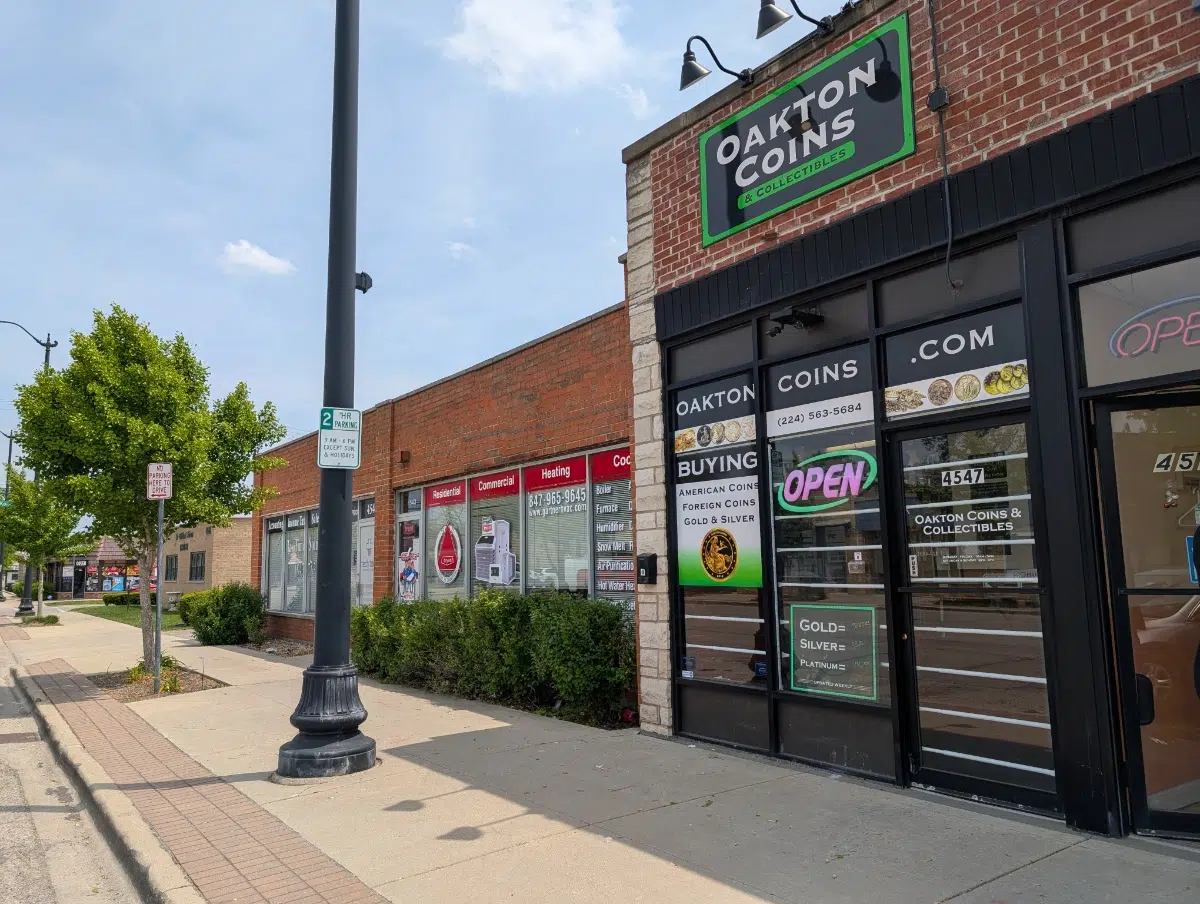
What a Gold Buyer Does
A gold buyer focuses specifically on evaluating and purchasing precious metals.
This usually includes:
- Gold jewelry (any condition)
- Coins and bullion
- Scrap and mixed lots
- Estate and inherited items
Because this is the primary focus, the process tends to be more direct and consistent across different types of items.
How Gold Is Actually Evaluated
Regardless of where you go, gold is generally valued based on a few key factors:
- Purity (karat) — such as 10k, 14k, 18k
- Weight — how much actual gold content is present
- Current market pricing — based on real-time gold values
The difference is often in how clearly this process is explained and how the testing is handled.
Testing Methods Can Vary
Different buyers use different tools to evaluate gold.
Some may rely on basic methods like visual inspection or acid testing. Others use more advanced equipment to get a more precise reading of metal content.
For many customers, seeing items tested in front of them — and having the results explained — makes the process much easier to understand.
Business Model Differences
Another factor people don’t always think about is how different businesses are set up to operate.
Jewelry stores are typically structured around selling inventory. Their day-to-day operations — including how much cash they keep on hand — are geared toward retail transactions rather than consistently purchasing items from the public.
Gold buyers, on the other hand, are set up specifically to purchase items. That includes having the process, systems, and liquidity in place to evaluate and buy gold on a regular basis.
For customers, this often translates into a more direct and predictable experience.
When Jewelry Expertise Matters
While most gold items are evaluated based on metal content, there are situations where a piece may have additional value — such as unique craftsmanship, designer names, or collectible interest.
In those cases, it can make sense to take a closer look rather than treating everything strictly as scrap.
When something stands out, we often consult with jewelers and specialists directly, sometimes using video to review items in real time. This allows us to get a second opinion when needed and make sure nothing important is overlooked.
For customers, this means you don’t need to figure that out ahead of time — everything can be reviewed in one place, and we’ll point out anything that may require a different approach.
Transparency Matters
One of the biggest differences people notice is how transparent the process feels.
Questions to consider:
- Are items evaluated in front of you?
- Is the testing explained clearly?
- Do you understand how the value is being calculated?
A straightforward process helps remove uncertainty, especially if you’re selling items for the first time or handling an estate.
Experience Can Be Different
Even within the same category, experiences can vary.
Some places keep things quick and minimal. Others take more time to walk through each item and explain what you’re seeing.
For many people — especially those unfamiliar with gold or dealing with inherited items — having that explanation can make a big difference.
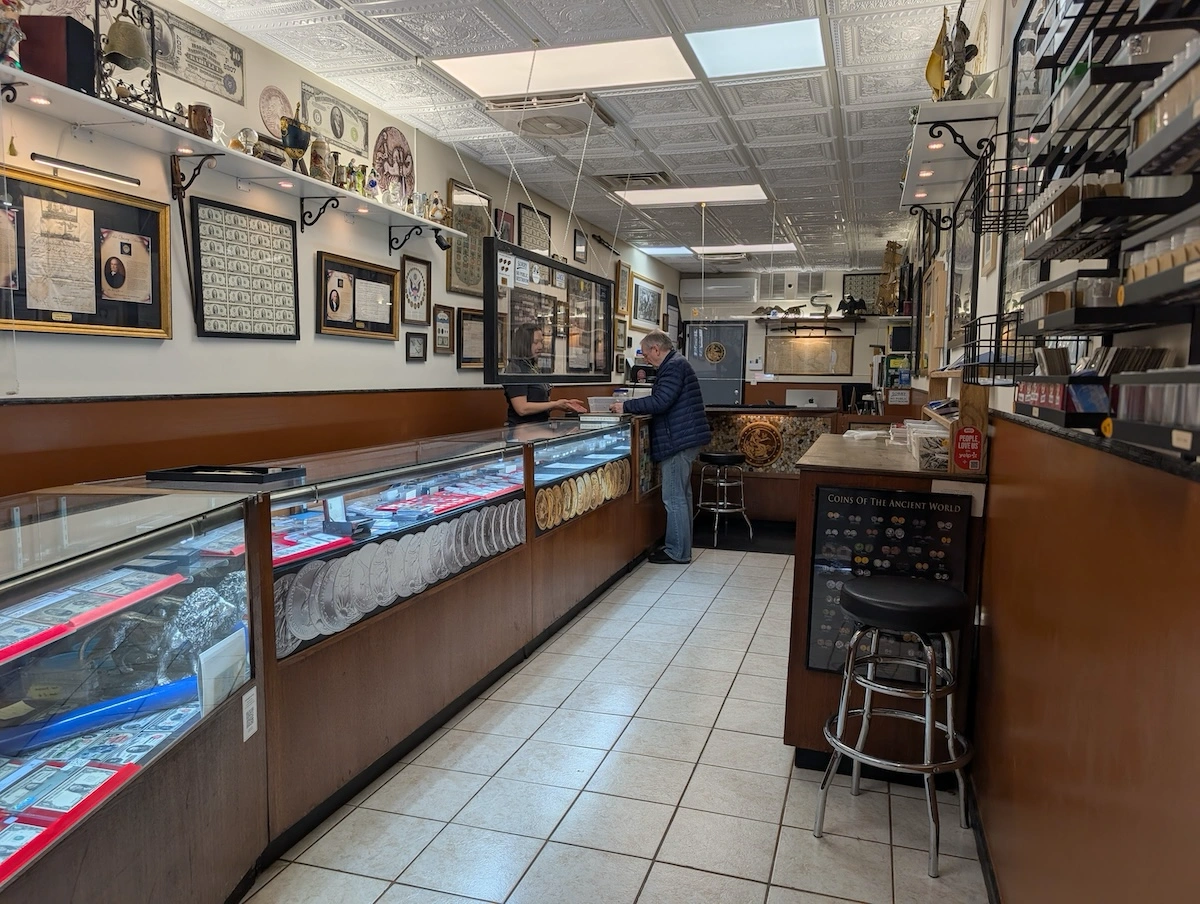
Choosing What Works for You
There isn’t a single “right” option — it depends on what you’re looking for.
If you’re hoping to resell a specific piece of jewelry, a jeweler may be a natural place to start.
If your goal is to understand and sell gold based on its metal value — especially when working with a buyer who can also identify when something may need specialized attention — a dedicated gold buyer often provides a more direct and consistent process.
A Simpler Approach Nearby
Many Evanston residents choose to look just outside the city, where the process tends to be more straightforward and easier to manage.
A short trip can give you:
- Clear, in-person evaluation
- A quieter, more controlled setting
- Easy access without parking complications
👉 Learn more about the process: What to Expect When Selling Gold
Start With a Clear Understanding
If you’re unsure where to begin, the easiest step is often to have your items looked at in person and explained in plain terms.
From there, you can decide what makes the most sense — with a much clearer picture of what you have.
Oakton Coins & Collectibles
4547 Oakton – Skokie, IL 60076
Monday – Friday: 10am – 5pm
Saturday – Sunday: 12pm – 5pm
No appointment needed.